by Morgan Sweeney
Negotiated lower Medicare costs for 10 popular prescription drugs went into effect Thursday.
How much those savings will be passed on to Medicare Part D and applicable Advantage plan enrollees is unclear, however, as drug pricing and reimbursement is notoriously complex and opaque, though lawmakers have pushed for more transparency in recent years.
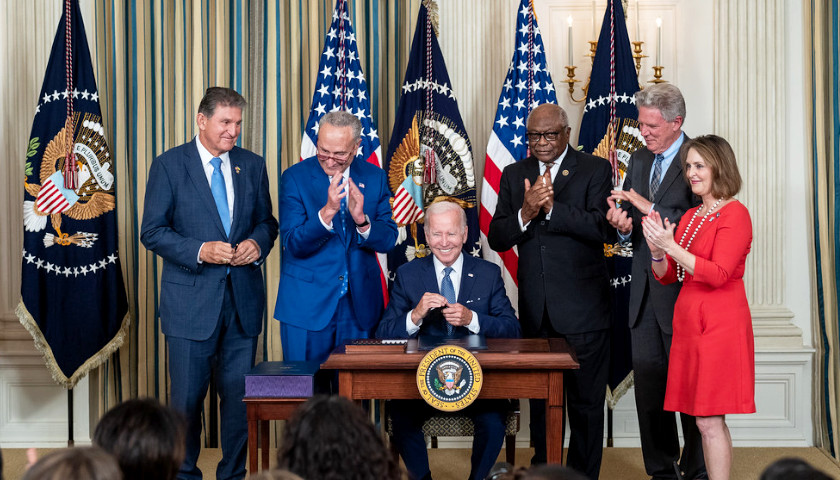
In 2022, the Inflation Reduction Act authorized and required Health and Human Services for the first time to negotiate the maximum price drug manufacturers can charge Medicare plans for 10 popular drugs each year, starting in 2026.
Earlier this year, the Centers for Medicare and Medicaid Services announced its first set of Medicare-negotiated “maximum fair prices” for 10 selected drugs, with negotiated prices ranging from 38% to 79% below their list prices. A drug’s list price is the manufacturer’s sticker price, though it is rarely what insurers or patients actually pay and is mainly used as a starting point for negotiations.
Those drugs are Eliquis, Enbrel, Entresto, Farxiga, Imbruvica, Januvia, Jardiance, NovoLog/Fiasp, Stelara and Xarelto, and they’re used to prevent blood clots or treat diabetes, autoimmune diseases, blood cancers and heart failure.
The 2023 list price for the blood thinner Eliquis, by far the most popular of the negotiated drugs with close to 4 million Part D enrollees having used the drug that year, was $521 for a 30-day supply. Starting Thursday, the maximum its maker Bristol Myers Squibb can charge is $231, a 56% reduction from the list price, for the applicable Medicare plans.
Of the negotiated drugs, Januvia, which is used to treat diabetes, saw the greatest reduction in its list price, dropping from $527 to $113 for a month’s supply.
The list prices for Fiasp and Novolog, insulins manufactured by Danish pharmaceutical company Novo Nordisk, were slashed 76%, from $495 to $119 per month.
Imbruvica, which was used by 17,000 Part D enrollees in 2023 to treat certain blood cancers, was reduced the least, from $14,934 to $9,319 per month, or 38%.
Any savings for Part D and Advantage enrollees depend largely on which plan they’re enrolled in, as not all plans are the same. Private insurers like Aetna, Blue Cross Blue Shield and Humana offer different Part D and Advantage plans, with varying levels of coverage. Advantage plans that include prescription drug coverage and all Part D plans are required by law to cover the 10 negotiated drugs for as long as they remain in the program.
International comparisons show that Americans often pay far higher prices for the very same medicines than people in other nations. A 2024 analysis using data from 33 advanced economies found that overall U.S. prescription drug prices were about 2.78 times higher than in those countries, and brand-name drugs alone were more than four times as expensive in the U.S. as abroad, even after adjusting for rebates and discounts. That gap persisted across a wide range of therapies.
Direct pricing comparisons for selected medicines further illustrate this disparity. A U.S. Government Accountability Office review found that retail prices for 20 brand-name drugs were two to four times higher in the United States than in Australia, Canada and France — even when accounting for rebates — and in some cases American cash prices were many times higher than in Canada for identical drugs.
For example, the blood thinner Xarelto cost roughly $558 for a 30-day supply in the U.S., compared with about $85 in Canada. Within Medicare’s negotiated framework, that price drops to $197.
The Medicare Drug Price Negotiation Program was created to reduce Medicare spending on prescription drugs and enhance the program’s long-term sustainability.
– – –
Morgan Sweeney is a staff reporter at The Center Square. Tennessee Star Executive Editor Christina Botteri contributed to this report.